Home fitness equipment remains a useful category for importers, distributors, ecommerce sellers, and private-label brands. The market is no longer only about adding one popular item to a catalog. Buyers now need a clearer product line, better packaging, more stable quality control, and a supplier that can support repeated orders instead of one-off shipments.
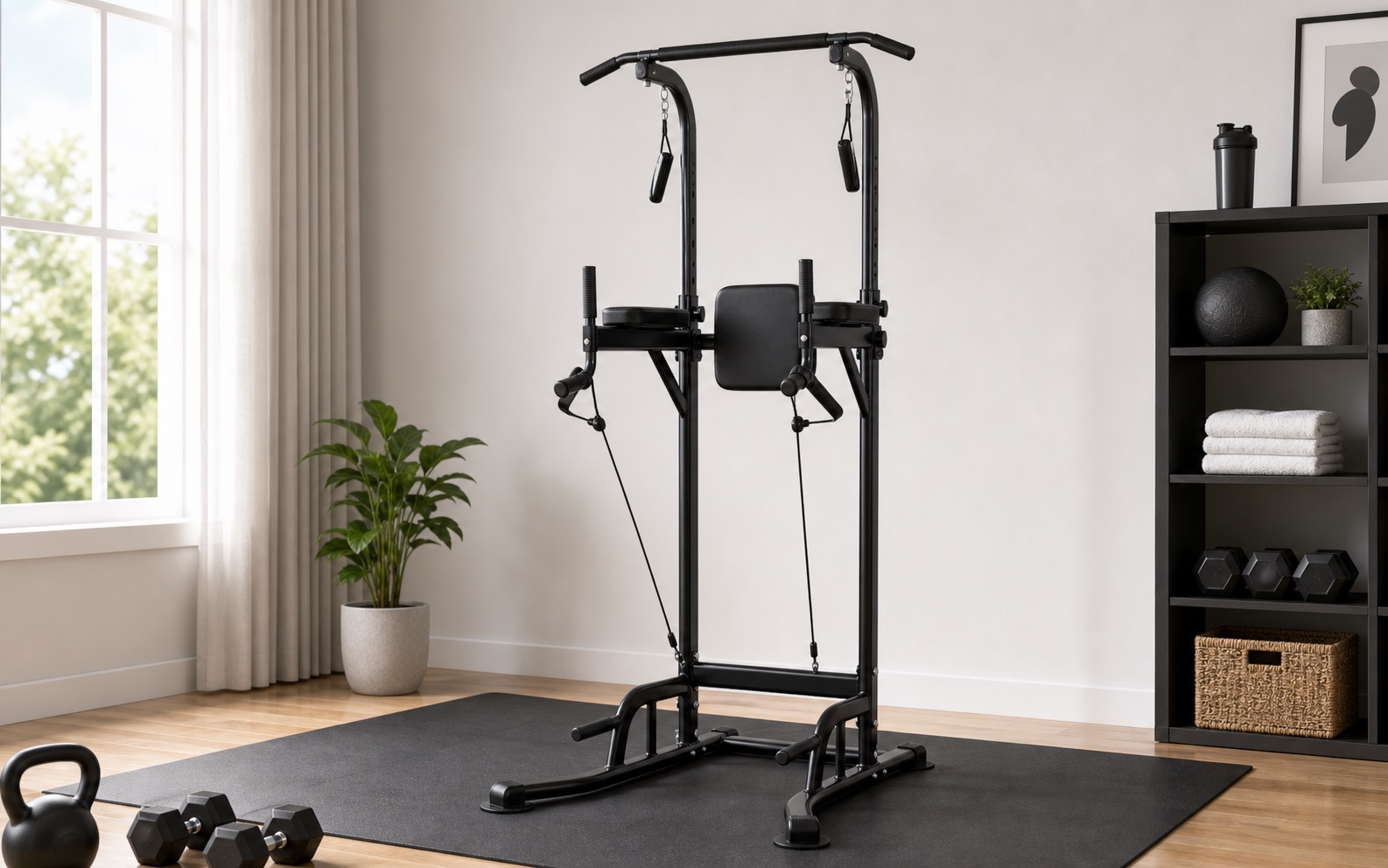
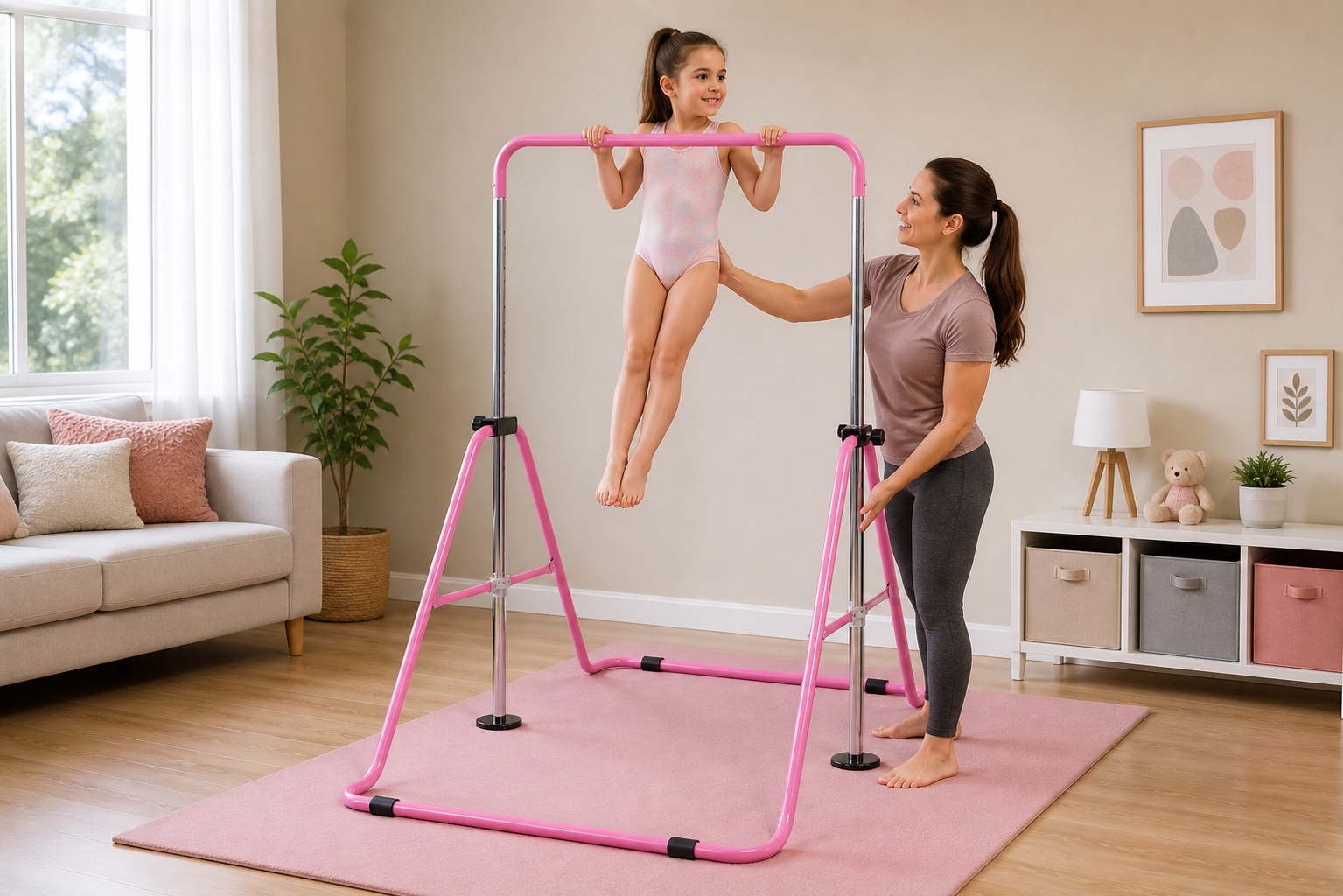
For 2026 sourcing plans, the strongest opportunities are still in practical strength training products: pull-up stations, power towers, adjustable benches, squat racks, kids gymnastics bars, dip stations, and storage racks. These products are easy for consumers to understand, fit into home training spaces, and can be adjusted for different price levels through structure, finish, packaging, and accessory choices.
1. Compact Strength Products Are Easier to Sell
Home users want equipment that gives them enough training value without taking over the whole room. For B2B buyers, this means compact products with clear functions are often easier to position than oversized systems.
Useful examples include:
- Pull-up bars and power towers for upper-body training
- Adjustable weight benches for dumbbell and bench training
- Squat racks and squat stands for home strength setups
- Kids gymnastics bars for family and youth training scenarios
- Dumbbell racks and plate storage for home gym organization
The key is not to make every product do everything. A product with a clear use case, stable structure, and manageable carton size is often easier to sell, ship, and support.
2. Packaging Is Becoming a Real Sourcing Advantage
For online and distribution channels, packaging is no longer just a carton. It affects freight cost, damage rate, customer reviews, and replacement-part workload. A lower product price can quickly lose its advantage if the carton is too large, the inner protection is weak, or the hardware bag is difficult for end users to understand.
Before confirming an order, buyers should check:
| Sourcing Point | What to Confirm |
|---|---|
| Carton size | Whether the product can fit target shipping and warehouse limits |
| Inner protection | Foam, cardboard inserts, hardware bag position, and surface protection |
| Assembly clarity | Manual layout, numbered parts, hardware list, and assembly sequence |
| Retail readiness | Barcode label, warning label, carton artwork, and language requirements |
Good packaging reduces after-sales pressure and makes the product easier to scale across channels.
3. OEM Customization Should Start with the Product Line
Color, logo, and packaging customization are important, but they should follow the product line strategy. A buyer selling pull-up bars, benches, squat racks, and storage racks should define a consistent look across the whole range before starting mass production.
This includes frame color, grip material, logo position, warning labels, manual style, and carton visual language. When these details are planned together, the brand looks more organized and the supplier can prepare repeatable production standards.
4. Compliance and Factory Evidence Matter Earlier
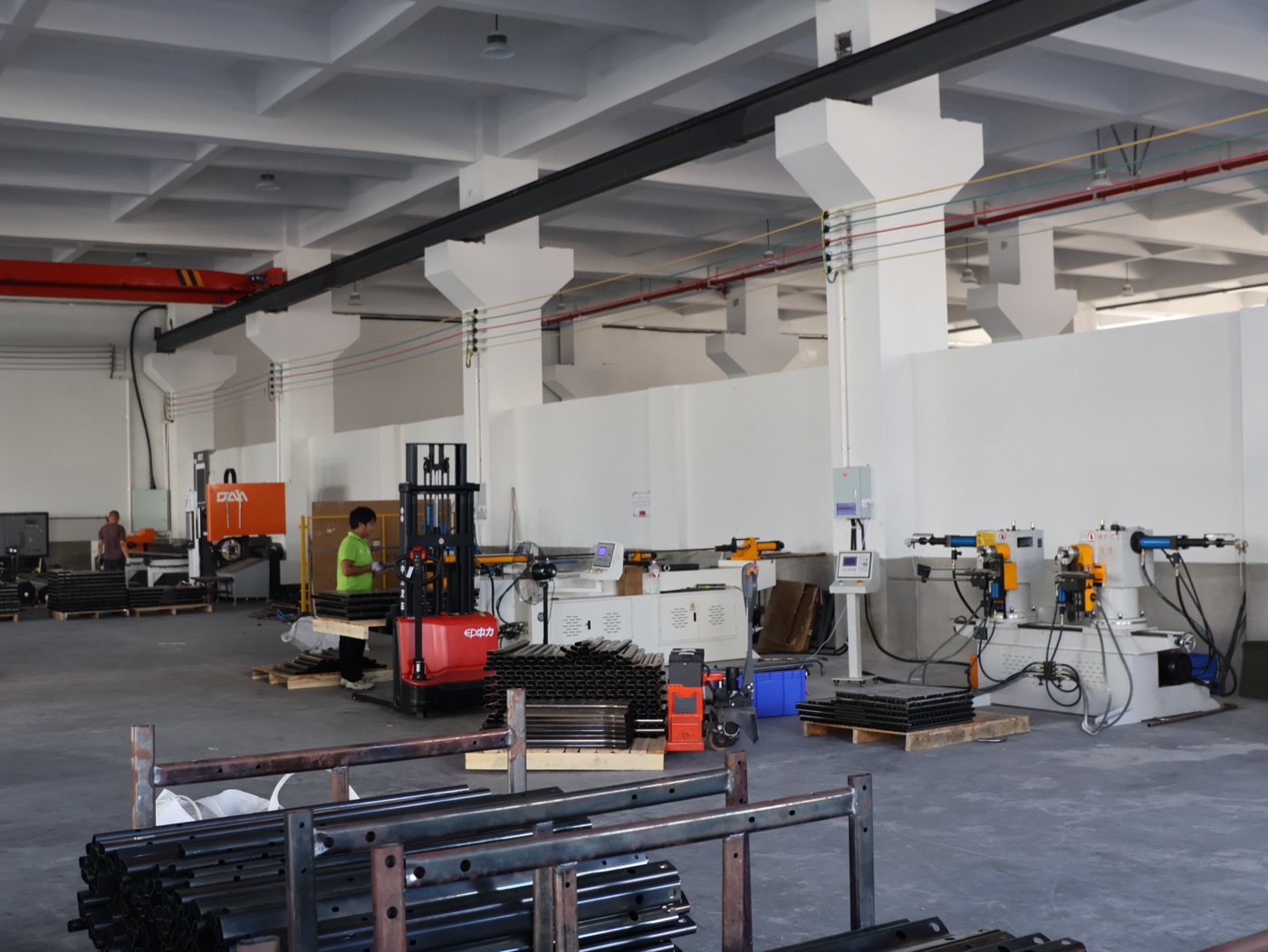
Many buyers used to ask for certificates near the end of the order. That is risky. Product safety documents, social audit records, factory photos, production capability, and quality-control evidence should be reviewed earlier in the sourcing process.
For home fitness equipment, buyers should ask what documents are available for the target product and market. They should also check whether the factory can support sample inspection, pre-shipment inspection, packaging review, and production photos during the order.
5. Supplier Evaluation Should Focus on Repeat Orders
A supplier that can deliver one container is not always the best partner for a long-term product line. For 2026 planning, buyers should evaluate whether the factory can support multiple SKUs, controlled changes, stable packaging, and clear communication after the first order.
Useful supplier questions include:
- Which product categories are produced in-house?
- What tube processing, welding, coating, and assembly capacity is available?
- How are samples, bulk production, and packaging approvals managed?
- Can replacement parts and hardware packs be prepared for after-sales support?
- How quickly can the supplier respond when a product needs adjustment?
What This Means for Buyers
The best sourcing path is not simply choosing the lowest price. Buyers should build a practical product line, confirm packaging and compliance early, and work with a factory that understands home fitness products as repeatable business rather than one shipment.
KAILEX focuses on home fitness equipment such as pull-up bars, adjustable benches, power towers, squat racks, kids gymnastics bars, and storage racks. For B2B buyers planning a 2026 product line, we can help review product structure, customization options, MOQ, packaging, and production timelines.