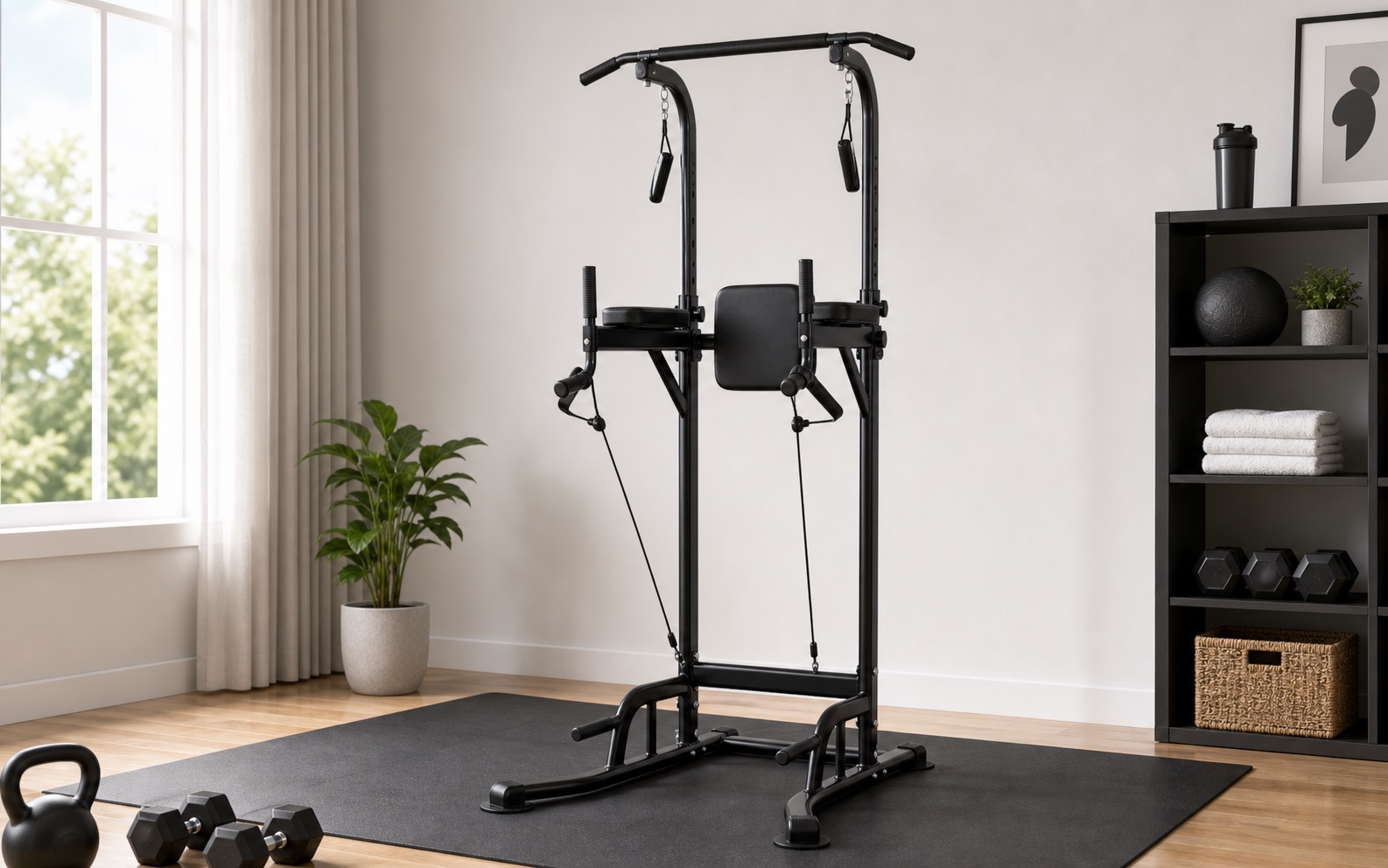
Power towers are a useful category for home fitness brands because the product gives consumers several clear training functions in one frame: pull-ups, chin-ups, dips, knee raises, push-ups, and stretching. For B2B buyers, the sourcing challenge is not only finding a low price. A power tower must be stable in a home environment, easy to assemble, practical to ship, and flexible enough for different branding and packaging programs.
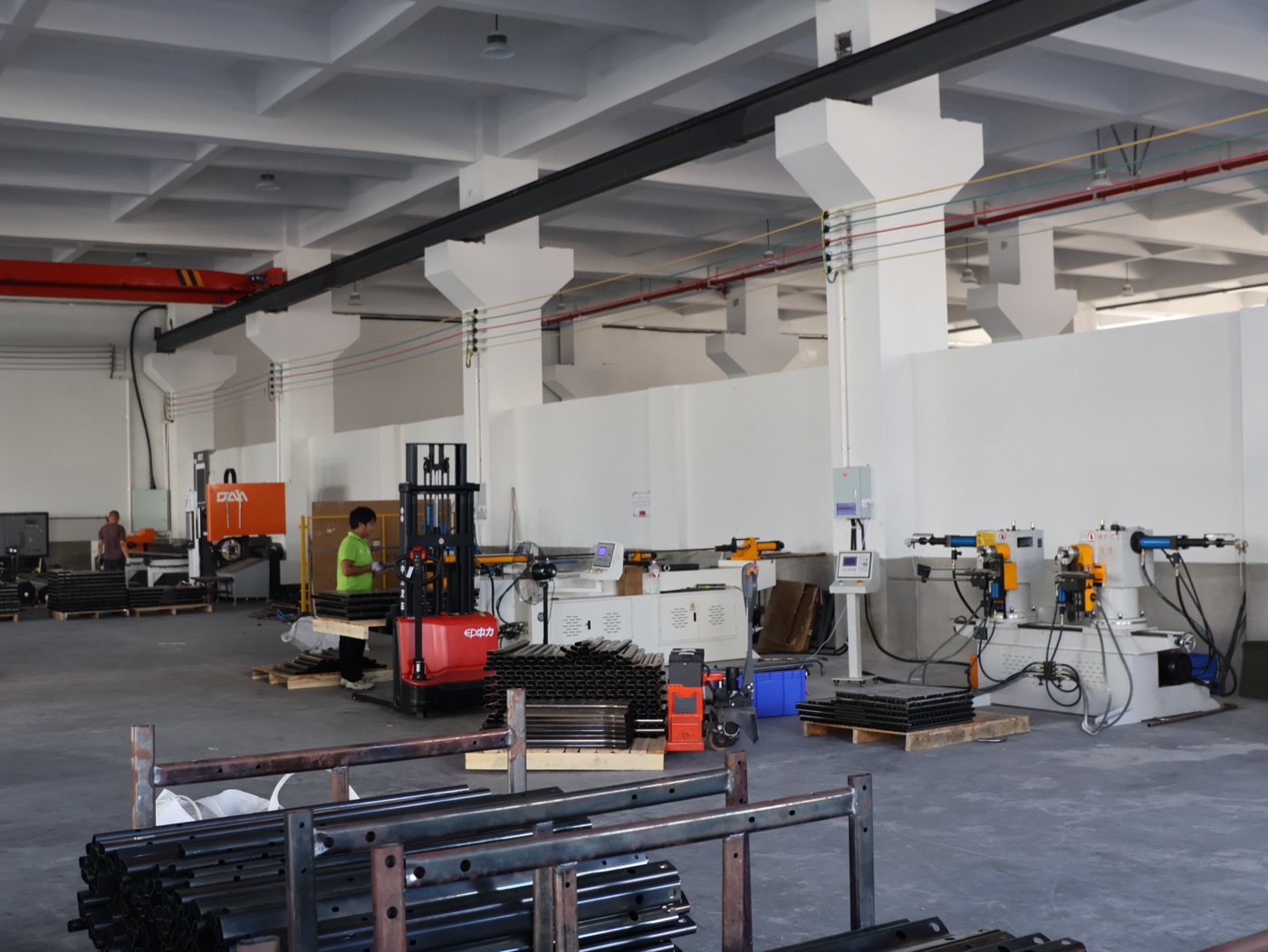
KAILEX manufactures home fitness equipment for importers, distributors, ecommerce sellers, and private-label brands. If you are building or updating a home gym product line, a power tower can work as a central upper-body training SKU, especially when it is matched with pull-up bars, adjustable benches, dip bars, and storage products.
Start with the Sales Channel
Before comparing power tower prices, define where the product will be sold. Ecommerce channels usually care about carton size, assembly clarity, review risk, and replacement hardware. Distributor channels may care more about price tiers, container loading, retail packaging, and repeat order stability.
The same power tower can be adjusted for different channels through tube specification, base geometry, pad design, handle layout, accessory selection, carton protection, instruction manual style, and warning labels. This is why the first sourcing question should be channel fit, not only unit price.
Compare the Right Power Tower Format
A power tower product line can include more than one structure. Entry-level models focus on a basic steel frame and pull-up/dip functions. Higher-positioned models may add arm rests, back pads, pulley accessories, wider base support, or more adjustable height options.
| Format | Best Fit | Buyer Focus |
|---|---|---|
| Basic power tower | Entry-level home fitness, online retail, starter catalogs | Competitive price, simple assembly, stable frame, compact carton |
| Power tower with pads | Upper-body and core training product lines | Back pad, arm rests, dip handles, user comfort, load communication |
| Accessory-ready tower | Higher-value SKU or bundle programs | Pulley or band options, stronger packaging, clearer product images |
For current model references, buyers can review the KAILEX Power Tower OEM category page. Two Alibaba-listed models are also available for reference: Factory Free Standing Steel Power Tower and Home Gym Upper Body Power Tower Station.
Check Structure Before Branding
Logo placement, color, and carton artwork matter, but structure comes first. A home-use power tower should feel stable when users perform pull-ups, dips, and knee raises. Buyers should ask for frame material, tube dimensions, base width, adjustment holes, welding points, anti-slip feet, pad fixing method, and assembly steps before confirming a private-label program.
Useful sourcing checkpoints include:
- Steel frame material and surface finish
- Base width and floor contact design
- Pull-up bar height and grip positions
- Dip handle and arm-rest layout
- Back pad and elbow pad material
- Hardware bag, spare parts, and assembly manual
- Carton size, inner protection, and drop-test plan
If the product will be sold through marketplaces, the assembly experience becomes part of the product quality. Clear parts numbering, a clean hardware list, and accurate product dimensions can reduce returns and negative reviews.
Plan Packaging Early
Power towers are larger than small accessories, so packaging should be reviewed early in the sourcing process. A small improvement in carton structure can reduce freight pressure, surface scratches, missing hardware, and customer-service workload.
| Packaging Item | What to Confirm |
|---|---|
| Carton size | Whether the package fits target warehouse, courier, and platform limits |
| Inner protection | Foam, cardboard inserts, tube wrapping, pad protection, and hardware position |
| Manual | Language, part numbers, assembly steps, safety notes, and after-sales contact format |
| Retail readiness | Barcode label, warning label, carton artwork, model code, and country requirements |
For private-label brands, packaging should also match the wider product range. If your catalog includes power towers, pull-up bars, weight benches, and dip bars, the color system, instruction style, label placement, and carton language should feel consistent.
OEM Options Buyers Usually Request
Most power tower OEM programs start with practical changes rather than a completely new machine. Common requests include frame color, brand logo, pad style, grip material, manual language, carton artwork, barcode label, warning label, and hardware bag configuration.
KAILEX can also discuss model-level changes such as height range, handle layout, pad dimensions, accessory options, and carton protection. For structural changes, the safest process is sample confirmation first, then packaging review, then bulk production approval.
What to Send for an Accurate Quote
To avoid a vague quote, prepare a simple RFQ brief before contacting the factory. Include the target market, expected order quantity, sales channel, preferred model, color requirements, logo needs, packaging type, destination port or country, and any compliance or labeling requirements.
If you are not sure which structure to choose, send the target price range and product positioning. A factory can then recommend whether to start from an entry-level steel power tower, a padded pull-up dip station, or an accessory-ready model.
FAQ
What is a typical MOQ for OEM power towers? A common starting point is around 100 units for OEM programs, depending on frame structure, packaging, and customization. Alibaba sample orders may use different order quantities.
Can power towers be customized for private-label brands? Yes. Common options include color, logo, pads, grips, manual language, carton artwork, warning labels, and hardware packs. Structural changes should be reviewed through samples.
Should buyers use Alibaba links or website RFQ? Alibaba links are useful for checking live model references and sample order options. For branded cartons, OEM adjustments, container planning, and long-term programs, a direct website RFQ is usually more efficient.
Next Step
For buyers building a home fitness equipment line, power towers work best when they are planned together with related categories such as pull-up bars, dip bars, adjustable weight benches, and squat racks. This gives the product line a clearer training logic and makes branding, packaging, and content production easier to manage.